
Well Pump Repair and Common Water Problems
When water suddenly stops coming from a private well, the problem is not always a failed pump. A pressure issue, electrical fault, frozen pipe, blocked component, or problem with the water supply can produce similar symptoms.
Understanding the basics of well pump repair can help homeowners identify what is happening before calling a professional. Simple observations can sometimes point to the problem, while more serious faults require qualified help.
What Causes a Well Pump to Stop Working?
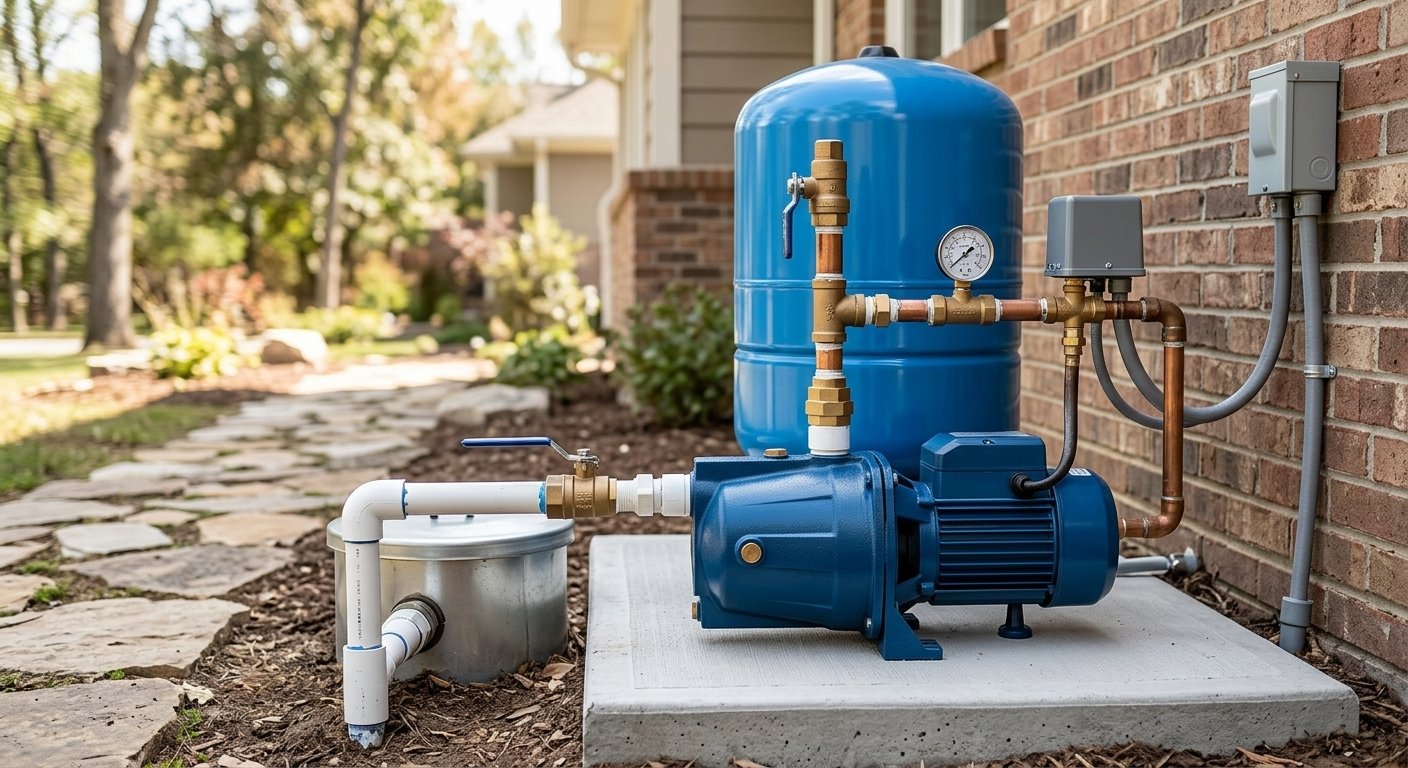
A well water system usually depends on several components working together. The pump moves water from the well, while the pressure tank, controls, pipes, and electrical supply help deliver it to the house.
Common problems include:
- Loss of electrical power
- Low or no water pressure
- A malfunctioning pressure control
- Damaged or blocked pipes
- A problem with the pressure tank
- A pump that has become worn or damaged
- A low water level in the well
Because several faults can produce similar symptoms, replacing the pump immediately is not always the best approach.
What to Check When There Is No Water
Check Whether the Problem Is Throughout the House
First, test more than one faucet. If only one fixture has no water, the problem may be related to that fixture or its supply line rather than the well system. If every faucet has stopped working, the problem is more likely to involve the pump, pressure system, water supply, or a main component of the plumbing.
Check for a Power Problem
If the pump is not operating, check whether the home’s electrical system has experienced an outage or tripped protection device.
Do not open electrical panels, handle exposed wiring, or attempt electrical repairs unless you are qualified to do so. A well pump can involve high voltage, and water makes electrical faults particularly hazardous.
Suddenly No Water From Well
If you have suddenly no water from well, avoid repeatedly switching equipment on and off while trying to diagnose it. Listen for unusual sounds from the equipment area and look for obvious signs such as leaking pipes, damaged components, or water around equipment that normally stays dry.
If there is no obvious external cause, a well contractor or qualified technician can determine whether the issue is with the pump, pressure system, controls, or the well itself.
How Well Pump Repair Usually Starts
Professional water well pump repair normally begins with diagnosis rather than immediately replacing parts. A technician may evaluate the pressure system, pump operation, electrical supply, water level, and other components to determine where the failure is occurring. This approach matters because replacing a pump will not solve a problem caused by a pressure tank, control component, plumbing restriction, or insufficient water supply.
Common Well Pump Problems
Low Water Pressure
Low pressure can have several causes. A problem with the pressure system, clogged components, plumbing restrictions, or a pump issue may all produce similar symptoms.
If the pressure has gradually become weaker rather than disappearing suddenly, tell the technician when you first noticed the change. That information can help narrow down the problem.
Pump Runs Too Often
A pump that starts and stops unusually frequently may indicate a pressure system problem or another underlying fault.
Frequent cycling should not simply be ignored because repeated starting can place additional stress on pump components.
Pump Runs but Little Water Arrives
If you can hear the system operating but water delivery is poor, the issue may involve the water supply, pump performance, plumbing, or another component.
Do not assume that the pump itself has failed without proper diagnosis.
Fixing Well Pump Problems Safely
Some basic observations are reasonable for a homeowner, but fixing well pump equipment can quickly move beyond simple DIY maintenance. Avoid opening sealed electrical components, changing wiring, entering a well, or attempting to pull a submerged pump yourself.
If the system involves electrical faults, damaged wiring, pressure equipment, contaminated water, or a submerged pump, contact a qualified professional.
Can You Repair a Well Pump Yourself?
Minor problems around the water system may sometimes be resolved without replacing major equipment, but the answer depends entirely on the fault. A homeowner can document symptoms, check for obvious leaks, confirm whether the house has power, and inspect accessible equipment for visible problems. Actual repair well pump work may require specialized testing equipment and knowledge of both electrical and water systems.
When to Call a Professional
Professional help is especially important when:
- The pump has stopped working completely
- Electrical components appear damaged
- Water is leaking around equipment
- The pump repeatedly cycles
- The pump may need to be removed from the well
- The well appears to be producing less water
- Water quality or contamination is suspected
- You cannot identify the cause safely
A qualified technician can diagnose the system before recommending a repair or replacement.
Frequently Asked Questions
How do I know if my well pump is bad?
A failed pump is one possibility, but it is not the only explanation. Loss of power, pressure problems, damaged plumbing, control issues, or a low well water level can create similar symptoms.
Can a well pump be repaired instead of replaced?
Sometimes. The decision depends on the type and condition of the pump and the actual cause of the failure. A technician should diagnose the problem before deciding whether repair or replacement makes more sense.
How long does a well pump usually last?
Service life varies depending on the pump type, installation, water conditions, usage, and maintenance. A pump that is showing problems should be evaluated based on its actual condition rather than age alone.
Final Thoughts
Well pump repair starts with finding the real cause of the water problem rather than automatically replacing the pump. Checking the symptoms, documenting when the problem started, and identifying whether the entire house is affected can provide useful information for a technician. For electrical faults, submerged equipment, major pressure problems, or suspected well issues, professional diagnosis is the safer choice. A correct diagnosis can prevent unnecessary replacement and help restore reliable water service.