
Half Round Gutters: Benefits, Sizes, Installation, and Maintenance
Rain gutters may not be the most noticeable part of a home, but they play an important role in protecting the roof, siding, foundation, and landscaping from uncontrolled rainwater. Among the different gutter styles available today, half round gutters are known for their smooth, curved shape and traditional appearance.
They are often associated with older and historic homes, but that does not mean they are limited to traditional architecture. With the right material, size, and installation method, half round gutters can also work well on many modern homes.
Before choosing a gutter system, however, it helps to understand how half round gutters work, how they compare with K style gutters, what sizes are available, and what maintenance they require.
What Are Half Round Gutters?
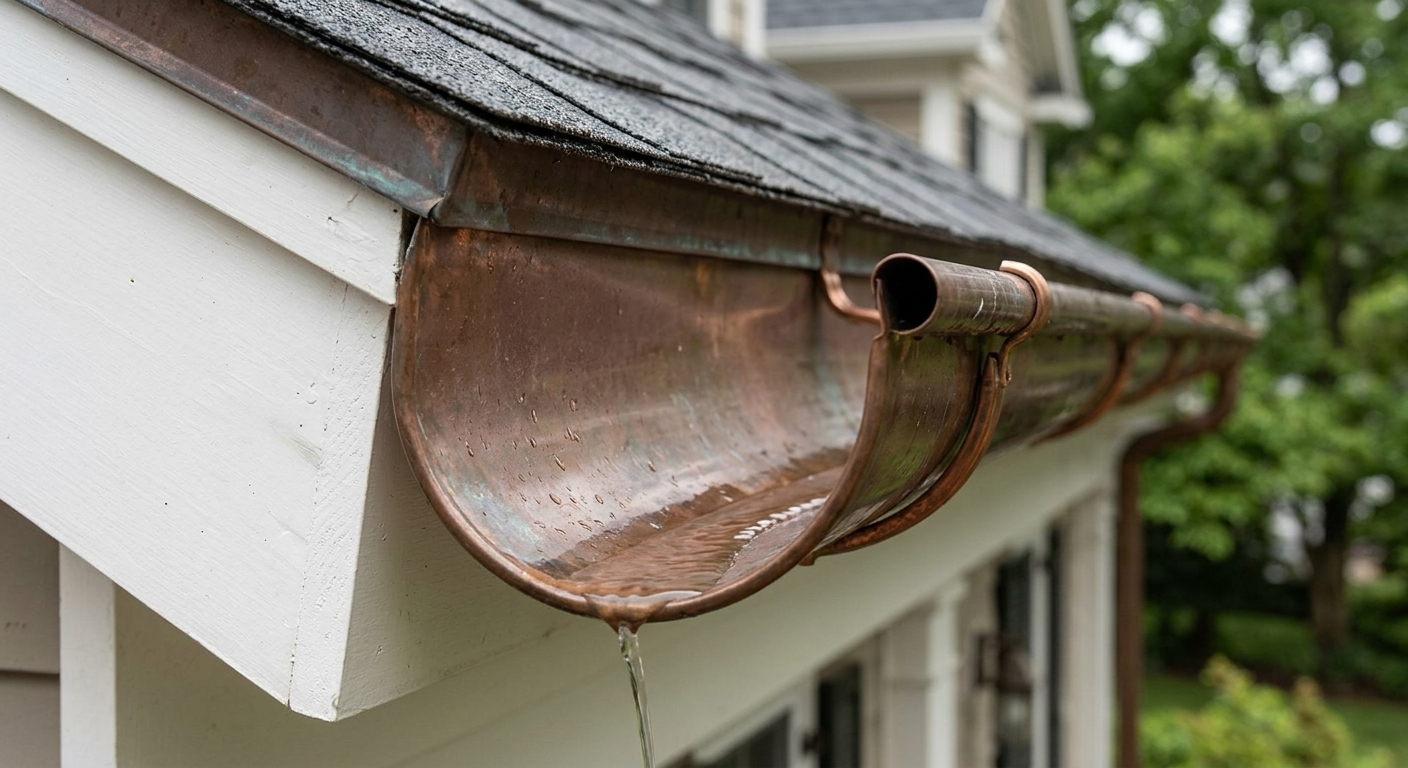
Half round gutters are open gutters with a rounded interior that resembles a tube cut lengthwise in half. Unlike gutters with a more angular profile, their curved shape allows rainwater to move through a relatively smooth channel.
They are commonly made from aluminum, copper, steel, or other durable metals. The material affects the appearance, cost, weight, maintenance requirements, and expected service life of the gutter system.
One reason homeowners choose this style is its appearance. The rounded profile can complement older homes, traditional architecture, and homes where visible exterior details are an important part of the design.
How Do Half Round Gutters Work?
The basic job of any gutter is to collect water flowing from the roof and direct it toward downspouts. When rain reaches the roof, it flows toward the roof edge. The gutter catches that water before it falls directly beside the house. The water then travels through the gutter toward a downspout, where it can be directed safely away from the foundation.
The rounded shape of half round gutters can make them relatively easy to clean because there are fewer sharp interior corners where debris can become trapped.
However, the gutter itself is only one part of the drainage system. Proper slope, correctly positioned downspouts, suitable hangers, and good connections are also important for reliable performance.
Half Round Gutter Sizes
Choosing the correct size is more important than simply choosing a gutter style.
Common half round gutter sizes include 5 inch and 6 inch systems, although availability can vary depending on the material, supplier, and location. Larger systems may be used where a roof produces a greater volume of runoff.
The right size depends on several factors, including:
- Roof area
- Roof pitch
- Local rainfall
- Number and placement of downspouts
- Gutter slope
- Roof drainage design
A larger gutter is not automatically the better choice for every house. The complete drainage system needs to be considered rather than selecting a size based only on appearance.
Half Round Gutters vs K Style Gutters
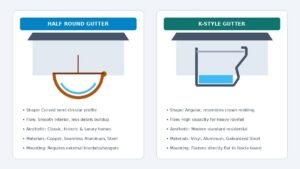
The choice between half round gutters and K style gutters often comes down to appearance, capacity, installation, and the design of the home.
K style gutters have a more angular profile and are extremely common on modern residential properties. Their shape can also provide a relatively large water carrying area for their size.
Half round gutters have a curved appearance and are often selected when homeowners want a more traditional look.
Here is a simple comparison:
| Feature | Half Round Gutters | K Style Gutters |
|---|---|---|
| Shape | Rounded interior | More angular profile |
| Appearance | Traditional and decorative | Common and modern |
| Cleaning | Generally straightforward | Corners can collect debris |
| Common materials | Aluminum, copper, steel | Aluminum, steel and other materials |
| Best suited to | Traditional, historic, and selected modern homes | Wide range of residential homes |
| Installation | May require specific hangers | Widely available installation systems |
Neither style is automatically best for every property. The roof design, rainfall, budget, appearance, and existing drainage system should all be considered.
Benefits of Half Round Gutters
1. Traditional Appearance
One of the biggest reasons people choose half round gutters is their appearance. Their curved profile can add a classic detail to the outside of a house without making the gutter look overly bulky. They can be particularly attractive on traditional, historic, craftsman, and other homes where exterior details matter.
2. Smooth Interior
The curved interior provides a relatively smooth path for water. It also avoids the deep angular corners found in some other gutter profiles. This can make routine cleaning easier, although leaves, dirt, and other debris can still collect in any open gutter system.
3. Different Material Options
Half round gutters are available in several materials. Aluminum is popular because it is relatively lightweight and resistant to corrosion. Copper is often chosen for its distinctive appearance and ability to develop a natural patina over time. Steel can provide a strong gutter system, but the specific finish and protection against corrosion are important considerations.
4. Good Fit for Certain Architectural Styles
A gutter system should not only move water effectively. It should also work with the appearance of the house. The rounded profile of half round gutters can complement homes where a traditional or decorative exterior is desired.
5. Easy Access for Cleaning
The open, rounded shape gives homeowners a clear view of the gutter channel during maintenance. This can make it easier to see accumulated leaves and dirt compared with some more enclosed gutter designs.
Potential Drawbacks of Half Round Gutters
Half round gutters are not perfect for every home.
They Can Cost More
Depending on the material and installation method, half round gutters can cost more than basic K style systems. Decorative hangers and specialty components can also increase the overall installation cost.
Installation Can Be More Specialized
The rounded profile may require specific hangers and brackets. A contractor who regularly installs standard K style gutters may not use the same installation approach for a half round system.
Some Systems Have Less Water Capacity
Capacity depends on the size and design of the entire drainage system. A smaller half round gutter may not handle the same amount of runoff as a larger gutter designed for high water volume.
For homes in areas with heavy rainfall, proper sizing and downspout planning are especially important.
Replacement Parts May Be Less Common
K style gutters are extremely common, so compatible components are often easy to find. Certain half round systems, especially specialty materials or decorative installations, may have fewer readily available replacement parts.
Half Round Gutter Installation
Half round gutter installation requires more than simply attaching the gutter to the edge of the roof. The installer needs to plan the gutter slope, hanger spacing, downspout locations, end caps, outlets, and connections before the system is assembled.
A typical installation involves these basic stages:
1. Inspect the Roof Edge and Fascia
The surface supporting the gutter should be checked before installation. Damaged or weak fascia can cause problems later because the gutter system depends on secure attachment points.
2. Plan the Gutter Slope
Gutters need a slight slope toward their downspouts so water does not remain standing inside the channel.
The exact slope depends on the gutter system and installation requirements.
3. Position the Hangers
Half round gutters commonly use hangers or brackets designed specifically for their curved shape.
The supporting hardware needs to be securely attached and properly spaced according to the system being installed.
4. Install the Gutter Sections
The gutter sections are positioned along the roof edge and connected according to the material and system design.
Joints should be properly sealed so they do not become sources of leaks.
5. Connect the Downspouts
Downspouts carry collected water away from the gutter. Their location should be planned so water is discharged safely away from the home’s foundation.
6. Test the System
After installation, the system should be checked for proper water flow, leaks, loose connections, and areas where water may remain trapped.
For installations involving significant roof work, difficult access, or structural concerns, hiring a qualified professional is usually the safer option.
Choosing the Right Material
The material you choose can change both the appearance and maintenance needs of your gutter system.
Aluminum
Aluminum is widely used for residential gutters because it is lightweight and available in many finishes. It is also relatively easy to work with during installation.
Copper
Copper is often selected for its distinctive appearance. Over time, exposed copper naturally changes appearance as its surface develops a patina. It is generally a premium material, so the initial cost can be considerably higher than basic aluminum systems.
Steel
Steel can provide strength and durability, but corrosion protection and the quality of the finish matter. Different steel products can have different performance characteristics.
Galvalume
Galvalume gutters use steel coated with an aluminum and zinc alloy. The coating is designed to provide additional protection against corrosion while retaining the strength of steel. The suitability of this material depends on the product, climate, installation conditions, and manufacturer’s recommendations.
Are Half Round Gutters Good for Metal Roofs?
They can be used as gutters for metal roof systems, but the roof and gutter system should be planned together.
Metal roofs can shed rainwater efficiently, which means the gutter system needs to be properly sized and positioned to capture the runoff.
Another important consideration is how water moves from the roof into the gutter. A suitable drip edge or other roof edge detail may be needed to guide water correctly.
Drip Edge and Gutters: What Is the Difference?
A drip edge and a gutter perform different jobs.
The drip edge is installed along the roof edge and helps guide water away from the roof structure and into the drainage area. The gutter then collects and carries that water toward the downspout.
In a properly designed system, the roof edge, drip edge, gutter, and downspout should work together.
If water is consistently missing the gutter or running behind it, the problem may not be the gutter itself. The roof edge detail, gutter position, slope, or other installation issue may need to be inspected.
Can You Paint Half Round Gutters?
If you are wondering can you paint gutters, the answer depends on the gutter material and its existing finish.
Some aluminum and steel gutters can be painted when the surface is properly prepared and the correct exterior grade coating is used. Copper is different because many homeowners choose it specifically for its natural aging process.
Before painting any gutter, check the material and coating requirements. Poor surface preparation or an incompatible paint can result in peeling or an uneven finish.
Half Round Gutter Maintenance Tips
Regular maintenance helps keep the drainage system working properly.
Clean Out Leaves and Debris
Leaves, twigs, dirt, and other debris can restrict water flow. How often gutters need cleaning depends heavily on nearby trees and local weather conditions.
Check for Standing Water
After rainfall, look for areas where water remains inside the gutter. Persistent standing water may indicate an incorrect slope or another drainage problem.
Inspect the Hangers
Loose or damaged hangers can allow the gutter to pull away from the roof edge. This should be addressed before the problem becomes more serious.
Look for Leaks
Check seams, end caps, and downspout connections for signs of leaking.
Check the Downspouts
A clean gutter is not useful if the downspout is blocked. Make sure water can travel through the downspout and discharge away from the foundation.
How Long Do Gutters Last?
People often ask how long do gutters last, but there is no single lifespan that applies to every gutter system. Material quality, climate, installation, maintenance, exposure to moisture, and physical damage can all affect longevity.
Aluminum, steel, and copper can have very different service lives. A well maintained gutter system installed correctly may last much longer than one that is poorly supported or regularly exposed to damaging conditions.
Instead of relying only on an estimated number of years, inspect the gutters regularly for corrosion, cracks, sagging, separation, and recurring leaks.
Common Problems With Half Round Gutters
Water Overflows During Rain
This may happen because the gutter is undersized, clogged, poorly sloped, or receiving more runoff than the system can handle.
Gutter Pulls Away From the House
Loose fasteners, damaged fascia, or inadequate support can cause this problem.
Water Leaks at a Joint
A joint that has separated or lost its seal can allow water to escape.
Water Runs Behind the Gutter
This can indicate an issue with the roof edge, drip edge, gutter positioning, or installation details.
Downspout Overflows
A blocked or undersized downspout can prevent water from leaving the gutter quickly enough.
The important point is to identify the cause rather than simply sealing the visible symptom.
Are Half Round Gutters Worth It?
For the right home, they can be.
If appearance is important and you prefer a traditional gutter profile, half round gutters offer a distinctive alternative to the more common K style design.
However, the best gutter system is not determined by appearance alone. You should also consider roof size, rainfall, gutter capacity, downspout placement, material, installation cost, and future maintenance.
For a standard home where appearance is less important, a conventional K style system may provide a simpler and more widely available option.
When Should You Hire a Professional?
Gutter maintenance can sometimes be straightforward, but installation and repairs can involve working at height and dealing with roof edges.
Professional help is worth considering when:
- The roof is difficult or unsafe to access
- The fascia is damaged
- Gutters repeatedly pull away from the house
- Water continues to overflow after cleaning
- The roof and gutter system require major changes
- You are installing a complete new drainage system
- Structural or roofing problems are suspected
A professional can also help determine whether the gutter size and downspout arrangement are suitable for the roof.
Frequently Asked Questions
What are half round gutters used for?
Half round gutters collect rainwater from the roof and direct it toward downspouts. Their rounded profile also gives them a traditional appearance that works well with many architectural styles.
Are half round gutters better than K style gutters?
Neither style is automatically better. Half round gutters can be a good choice when appearance and traditional design are priorities, while K style gutters are widely available and commonly used on modern homes.
What size half round gutter should I use?
Common sizes include 5 inch and 6 inch systems, but the correct size depends on factors such as roof area, roof pitch, rainfall, and downspout placement.
Are half round gutters more expensive?
They can be, particularly when using premium materials such as copper or specialty brackets and hangers. The final cost depends on the material, size, installation requirements, and local labor rates.
Can half round gutters be used on a metal roof?
Yes. They can be installed with metal roofing when the roof edge and gutter system are properly planned. The way water leaves the roof should be considered during installation.
How often should half round gutters be cleaned?
There is no universal schedule. Homes surrounded by trees may need more frequent cleaning than homes with little nearby vegetation. Inspecting the gutters regularly can help determine when cleaning is needed.
Can you paint gutters?
Some aluminum and steel gutters can be painted if the surface is prepared correctly and a compatible exterior coating is used. Always consider the gutter material and existing finish before painting.
How long do gutters last?
Gutter lifespan varies considerably by material, installation quality, climate, maintenance, and exposure to damage. Regular inspection can help identify problems before the entire system needs replacement.
Final Thoughts
Half round gutters are more than a decorative alternative to standard gutter profiles. When properly sized and installed, they can provide an effective way to collect and move rainwater while adding a distinctive finish to a home’s exterior.
The best choice depends on the property rather than on the gutter shape alone. Consider the roof area, local rainfall, downspout layout, material, maintenance requirements, installation method, and overall appearance before making a decision.
For homeowners who want a traditional look and are willing to consider the installation and material requirements, half round gutters can be a practical and attractive part of a complete home drainage system.